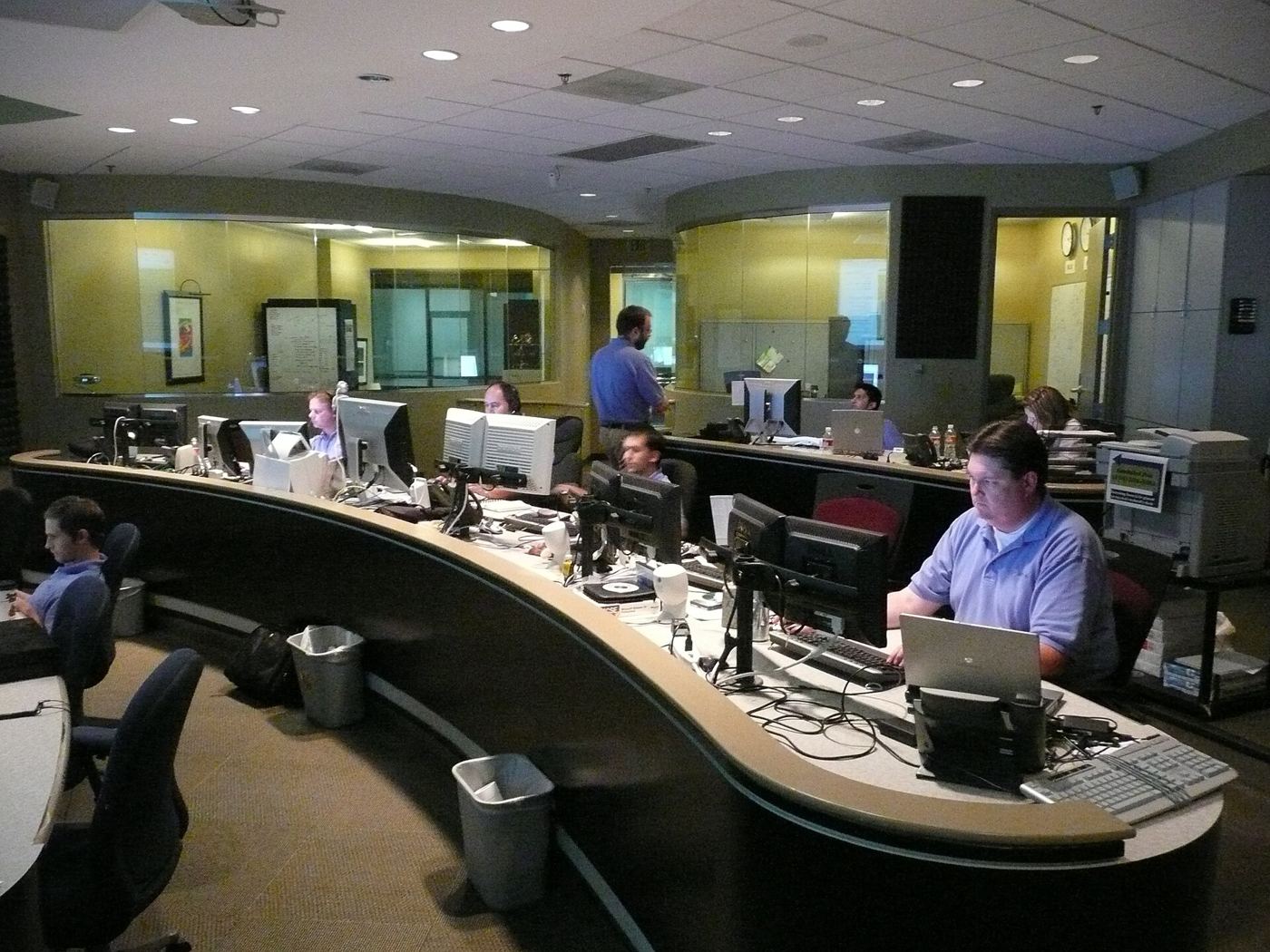
Inside a security operations centre, the working day never really ends. Screens show alerts streaming in from company networks around the world, and analysts work in shifts so that someone is always watching, including through the night and at weekends. Each alert is a possible sign of trouble: a login from an unusual location, a computer contacting a suspicious server, or a file behaving in a way no legitimate software should. Most alerts turn out to be harmless, but the analyst’s job is to spot the few that are not, and to do it quickly, because an intruder who stays undetected for days can steal far more than one caught within the hour. Modern centres combine automated tools that collect and filter the flood of data with human judgement that understands context, such as whether a late-night login belongs to a travelling executive or to a stolen password being tested from abroad.
What the Evidence Shows
The hardest problem these centres face is not a lack of data but too much of it, and the best teams are investing heavily in deciding what deserves human attention. Machine learning tools now rank alerts by risk, group related events into single incidents, and even suggest the next steps an analyst should take. That automation matters because skilled analysts are scarce, and burnout is common in a role that demands constant vigilance. Centres also run regular exercises, simulating ransomware attacks or data theft so the team can practise its response before a real incident arrives. Smaller organisations that cannot staff a centre around the clock increasingly buy the service from specialist firms, sharing analysts across many clients. Security leaders say the goal is the same at every size: to shrink the gap between an attack beginning and someone noticing, because in cyber defence, minutes are often the difference between a blocked attempt and a costly breach. Reporting and analysis from sources such as Wired track the same developments, and specialists following the round-the-clock security centres say the direction is now consistent across independent lines of evidence.
The Wider Context
The wider context is an industry learning to ship capability and restraint together. Products built around the round-the-clock security centres now launch with safety evaluations, usage data and rollback plans as standard, because enterprise buyers and regulators ask for them in the first meeting. Companies that treated those questions as friction are discovering they have become the purchase criteria.
What Happens Next
What happens next for the round-the-clock security centres depends less on another breakthrough than on the unglamorous work of reliability, pricing and support. The buyers evaluating it now are not enthusiasts; they are operators with budgets and auditors, and their checklists will decide the timeline. On the evidence of the current pilots, the technology has earned the right to be judged by them. You can follow related developments in our coverage of technology.
None of this will be settled by a single announcement, study or product launch. The pattern to watch is accumulation: independent confirmations, honest reporting of failures and steady improvement in the underlying numbers. Readers who follow those signals, rather than the loudest claim of the week, will understand this subject better than most of the commentary surrounding it suggests is possible.