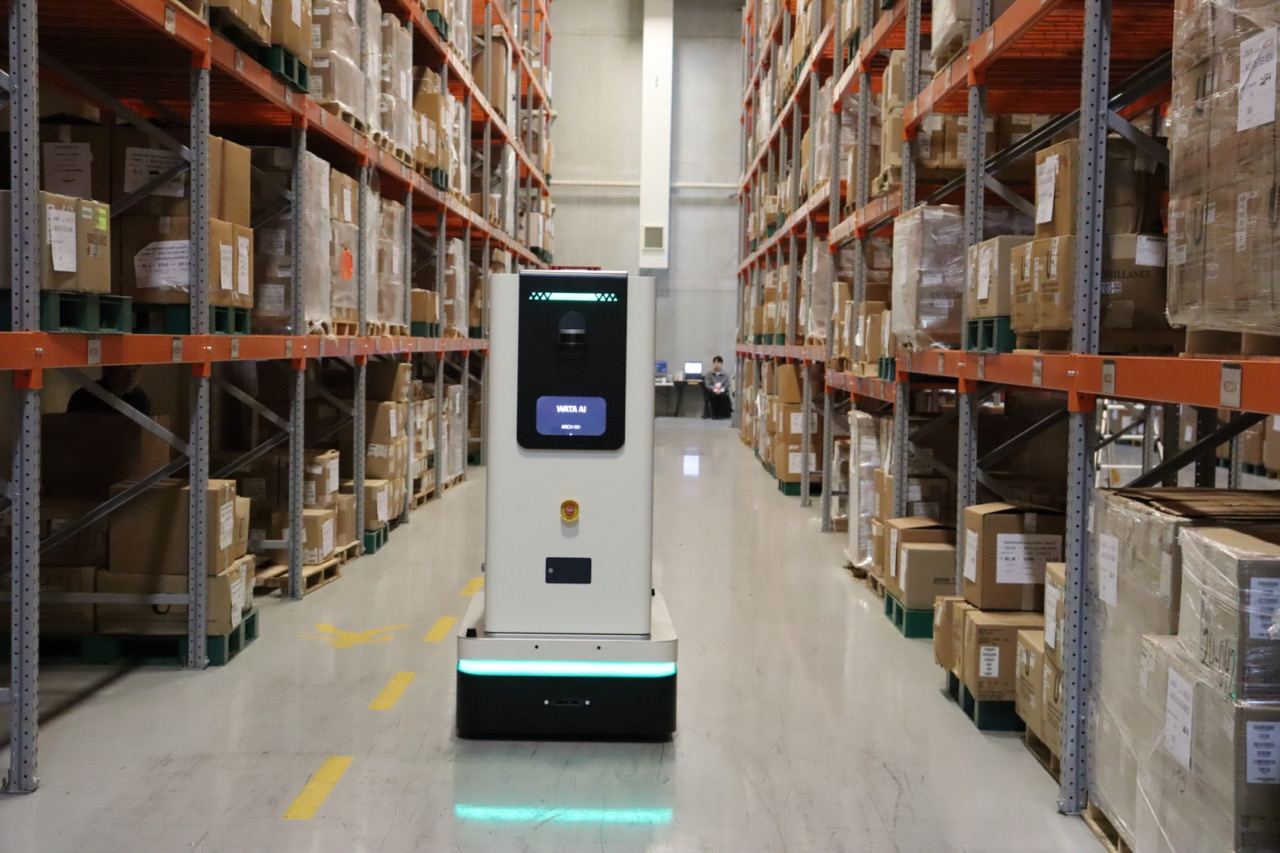
Inside large distribution warehouses, fleets of low mobile robots now carry shelving, totes and pallets toward human workers, rather than expecting people to walk miles each shift searching for products. The newest challenge is not simply moving goods faster, but sharing the same aisles safely with pickers, cleaners and maintenance staff who may step out unexpectedly. Modern warehouse robots use cameras, lidar and short-range sensors to slow down, reroute or stop, while warehouse software assigns traffic priorities much like a quiet control system for indoor roads. Managers say the benefit is clearest during busy periods, when coordinated movement reduces bottlenecks at packing stations and keeps urgent orders from waiting behind routine stock movements elsewhere in the building. Fleet software also learns from daily patterns, positioning frequently requested goods closer to packing areas before peak periods begin, which reduces travel across the building and leaves the busiest aisles clearer for people moving through them during the working shift.
What the Evidence Shows
Workers and safety specialists still insist that automation has to earn trust on the floor, through predictable behaviour, clear signals and sensible layouts that do not trap people between machines. Training has therefore changed, with staff learning how robots perceive their surroundings, where blind spots remain and when to intervene manually. Companies also have to decide what happens when systems fail, keeping manual processes available rather than assuming software will always recover gracefully. Done well, the result is less a futuristic warehouse without people than a more organised one, where machines handle repetitive travel and lifting, and people focus on checking quality, solving exceptions and keeping goods moving for customers. Unions and worker representatives increasingly ask to be involved when layouts and robot speeds are set, arguing that productivity gains should not come at the cost of constant monitoring pressure or work rates that people cannot sustain safely. Reporting and analysis from sources such as Wired track the same developments, and specialists following warehouse robot collaboration say the direction is now consistent across independent lines of evidence.
The Wider Context
The wider context is an industry learning to ship capability and restraint together. Products built around warehouse robot collaboration now launch with safety evaluations, usage data and rollback plans as standard, because enterprise buyers and regulators ask for them in the first meeting. Companies that treated those questions as friction are discovering they have become the purchase criteria.
What Happens Next
What happens next for warehouse robot collaboration depends less on another breakthrough than on the unglamorous work of reliability, pricing and support. The buyers evaluating it now are not enthusiasts; they are operators with budgets and auditors, and their checklists will decide the timeline. On the evidence of the current pilots, the technology has earned the right to be judged by them. You can follow related developments in our coverage of technology.
None of this will be settled by a single announcement, study or product launch. The pattern to watch is accumulation: independent confirmations, honest reporting of failures and steady improvement in the underlying numbers. Readers who follow those signals, rather than the loudest claim of the week, will understand this subject better than most of the commentary surrounding it suggests is possible.