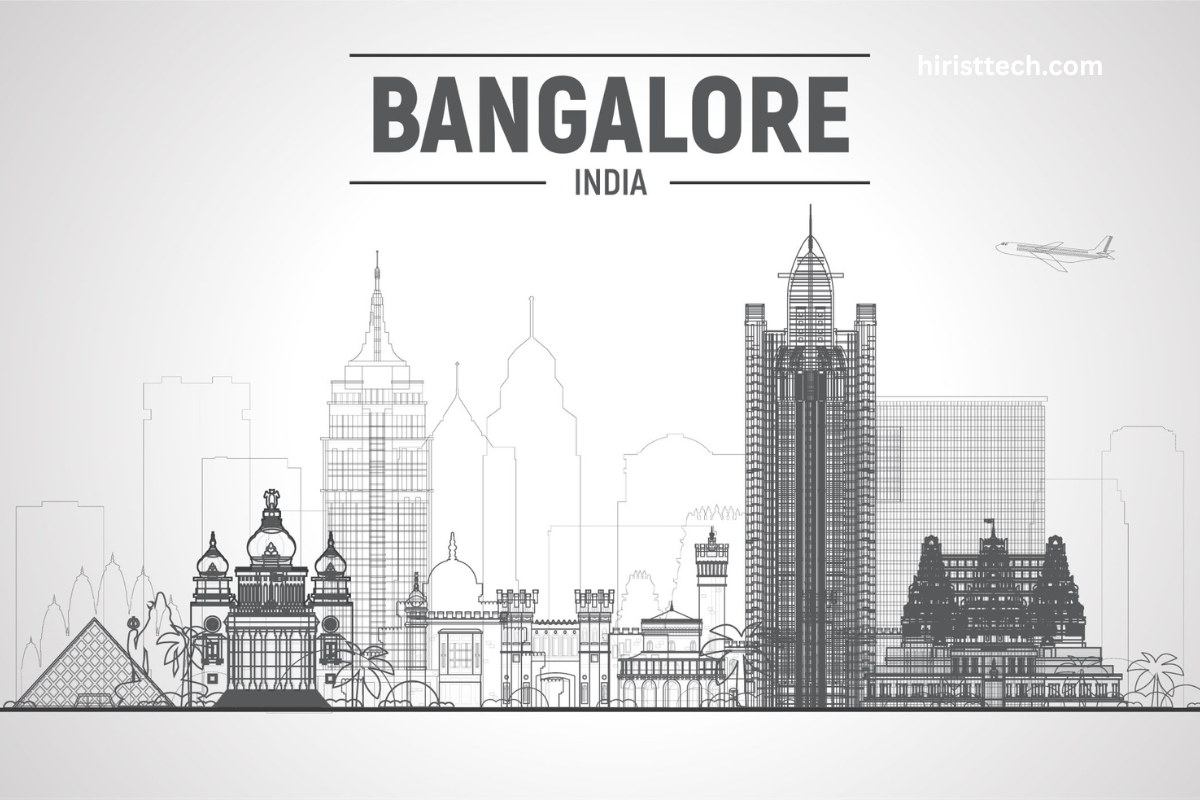
Bangalore, now known as the “Silicon Valley of India,” is often hailed as the nation’s leading technology and innovation hub. But how did this city of gardens, once known for its pleasant climate and colonial history, transform into the epicenter of India’s technological revolution? In this article, we’ll explore the story behind Bangalore’s rise, the factors that contributed to its success, and why it continues to attract both global tech giants and homegrown startups.
Origin of the Term Silicon Valley
The term “Silicon Valley” refers to the southern part of the San Francisco Bay Area in California, where a dense concentration of technology companies, startups, and venture capitalists are found. This term emerged in the 1970s when engineers and entrepreneurs started flocking to the region to create companies focused on semiconductors, microchips, and computer technology—using silicon as the main material in these devices. Over time, Silicon Valley became synonymous with innovation, technology, and entrepreneurship.
Today, Silicon Valley represents the global standard of technological advancement and entrepreneurial spirit, giving rise to tech giants like Apple, Google, Facebook, and more. The term “Silicon Valley” evokes ideas of cutting-edge technology, highly skilled labor, and an ecosystem where startups flourish.
Which City Is Known As the Silicon Valley of India?
When it comes to India, Bangalore is the city that is most often referred to as the country’s “Silicon Valley.” Like its Californian counterpart, Bangalore serves as a thriving hub for information technology (IT) companies, startups, and cutting-edge research. With a burgeoning tech industry, a talented workforce, and numerous educational institutions, the city has emerged as a leader in India’s technological revolution.
Why Bangalore?
The rise of Bangalore as a tech hub is no coincidence. The city has several unique attributes that have contributed to its rapid transformation into a tech powerhouse. These include a favorable climate, a rich intellectual culture, government policies that promote innovation, and strategic investments in infrastructure.
How Bangalore Became IT Hub – The Silicon Valley of India
Bangalore’s journey to becoming the Silicon Valley of India can be traced back to several decades. The roots of this transformation began in the 1970s when the Indian government decided to invest in the information technology sector, recognizing its potential to drive economic growth.
The Beginning: Government Investments in IT
In the early years, the Indian government actively promoted Bangalore as a hub for the burgeoning IT sector. State-owned companies like Indian Telephone Industries (ITI) and Bharat Electronics Limited (BEL) were set up in the city. The government’s initial investments laid the foundation for what would become a booming IT sector. Additionally, the establishment of government-run research institutions like Indian Institute of Science (IISc) and Indian Institute of Management Bangalore (IIMB) helped build a strong knowledge base.
1980s-1990s: The Rise of Private Sector Players
In the 1980s, the liberalization of the Indian economy and the introduction of special economic zones (SEZs) paved the way for private players to enter the market. Companies like Texas Instruments and IBM set up operations in Bangalore, and the city quickly became a hub for both global IT firms and Indian startups. This period saw the establishment of leading Indian tech firms such as Infosys, Wipro, and Tata Consultancy Services (TCS), which went on to become some of the largest IT outsourcing companies in the world.
By the 1990s, India’s IT boom was in full swing. Bangalore had become a leading destination for outsourcing work, with global companies outsourcing their IT services to India’s highly skilled and cost-effective workforce. The city’s reputation as an IT hub grew, and it became home to thousands of tech professionals and entrepreneurs.
2000s and Beyond: A Global IT Hub
The 2000s saw a significant acceleration in Bangalore’s growth. As the world increasingly embraced the internet and digital technologies, Bangalore became the destination for global IT services, software development, and technological innovation. Today, the city hosts over 10,000 startups and is home to numerous global tech giants, including Google, Microsoft, Amazon, Intel, and Cisco.
According to recent estimates, Bangalore’s IT industry is worth more than $100 billion and is expected to grow even further in the coming years. The city’s booming tech ecosystem continues to attract both domestic and international investments.
Bangalore: The Epitome of IT Innovation and Economic Growth
Bangalore has not only been a key player in India’s tech sector but has also contributed significantly to the country’s economic growth. It has become the nation’s startup capital, boasting a thriving entrepreneurial ecosystem that has birthed companies like Ola, Swiggy, and Flipkart. The city’s startup ecosystem, particularly in sectors like AI, blockchain, and fintech, has flourished in recent years.
Government Support and Policies
The Karnataka state government has been instrumental in facilitating Bangalore’s growth. With initiatives like Startup Karnataka, the government has provided an enabling environment for new businesses to flourish. Tax incentives, infrastructure development, and skill development programs have made the city an attractive destination for entrepreneurs and global investors alike.
The Talent Pool
Bangalore has an immense talent pool that includes some of India’s brightest minds. The city is home to leading educational institutions like the Indian Institute of Science (IISc), Indian Institute of Management Bangalore (IIMB), and a number of technical universities that churn out thousands of skilled graduates every year. With its high concentration of talented engineers, software developers, and data scientists, Bangalore has become a magnet for technology companies looking to tap into India’s human capital.
Why Bangalore Is Called Silicon Valley of India
Bangalore has earned the title “Silicon Valley of India” for several reasons. These include:
Presence of Global Tech Giants
Major global companies such as Google, Microsoft, Amazon, Intel, and Apple have set up large operations in the city. Bangalore has become the headquarters for many of these companies’ India operations.
Thriving Startup Ecosystem
Bangalore is home to thousands of startups in a variety of sectors, including e-commerce, fintech, healthtech, and edtech. Some of the most notable startups that originated in Bangalore include Ola, Swiggy, Flipkart, and BigBasket.
Robust Infrastructure
The city boasts state-of-the-art infrastructure, including IT parks, Special Economic Zones (SEZs), and high-speed internet, which are crucial for the smooth functioning of tech companies.
Favorable Government Policies
Government policies in Bangalore are designed to encourage technological innovation and entrepreneurship. The Karnataka state government offers several incentives, including tax exemptions and grants, to support startups and established tech firms.
Skilled Workforce
The availability of a highly skilled workforce is one of the main reasons Bangalore has become an IT hub. The city attracts tech professionals from all over India and even abroad, thanks to its reputation as the nation’s Silicon Valley.
Vibrant Culture
Bangalore’s cosmopolitan culture is another factor that has made it an attractive place for tech professionals and entrepreneurs. The city offers a vibrant lifestyle with a mix of cultural events, great food, and a thriving nightlife scene, making it appealing to young tech professionals.
Top Silicon Valley IT Companies in Bangalore
Some of the world’s biggest tech companies have chosen Bangalore as their Indian base of operations. These include:
- Microsoft
- Amazon
- Intel
- Oracle
- Cisco
These companies, along with many others, have established a strong presence in the city, creating thousands of job opportunities and contributing to Bangalore’s position as a global IT leader.
Top Start-Up Companies in Silicon Valley of India (Bangalore)
Bangalore has also emerged as a breeding ground for startups. Some of the top startups in Bangalore include:
- Polygon
- Jar
- Money View
- Plum
- Wysa
- Cervello India
- ShopX
These startups are not only disrupting traditional industries but are also attracting significant funding from venture capitalists and global investors.
Jobs at Silicon Valley of India (Bangalore)
The tech industry in Bangalore continues to offer a wealth of job opportunities across various domains. Some of the key sectors hiring in Bangalore include:
- Information Technology (IT)
- E-commerce
- Fintech
- Healthcare and Healthtech
- Manufacturing
- Education and Edtech
- Consulting
- Banking and Finance
- Research and Development (R&D)
- Telecommunications
- Human Resources
- Marketing and Sales
The demand for skilled professionals, especially in software engineering, data science, and AI development, continues to grow as more companies establish a presence in the city.
Frequently Asked Question
Is there a Google office in Silicon Valley of India?
Yes, Google has a significant presence in Bangalore. It operates one of its largest engineering centers in India, focusing on product development and services tailored for the Indian market and beyond.
Is Apple from Silicon Valley?
Yes, Apple’s headquarters is located in Cupertino, California, which is part of the original Silicon Valley. Silicon Valley, California, has become the global epicenter for tech innovation, with Apple being one of the founding giants.
What are the top Silicon Valley companies in India?
Some of the top Silicon Valley companies with operations in India, particularly in Bangalore, include:
- Microsoft
- Amazon
- Intel
- Oracle
- Cisco These companies have large offices in Bangalore and contribute significantly to the city’s tech ecosystem.
How many IT companies are there in Bangalore?
Bangalore is home to over 10,000 IT companies, ranging from global tech giants to Indian startups. It includes major firms like Infosys, Wipro, TCS, and many others, contributing to the city’s reputation as India’s tech capital.
Is there an Apple office in the Silicon Valley of India, Bangalore?
Yes, Apple has established offices and research centers in Bangalore. It is part of the company’s growing focus on India, both for product development and expanding its presence in the Asian market.
What makes Bangalore the Silicon Valley of India?
Bangalore earned its title as the Silicon Valley of India due to several factors:
- Presence of global tech giants like Google, Microsoft, and Amazon.
- A thriving startup ecosystem, including companies like Swiggy, Ola, and Flipkart.
- Skilled talent pool produced by top-tier universities and engineering colleges.
- Government support and policies that foster innovation and entrepreneurship.
Conclusion
Bangalore’s evolution into India’s Silicon Valley is a remarkable story of government foresight, entrepreneurial spirit, and global investment. From its early days as a hub for public sector IT companies to its current status as a global leader in technology, the city has proven that it can compete on the world stage. With continued investments in infrastructure, talent, and innovation, Bangalore is poised to remain a dominant force in the global tech industry for years to come.