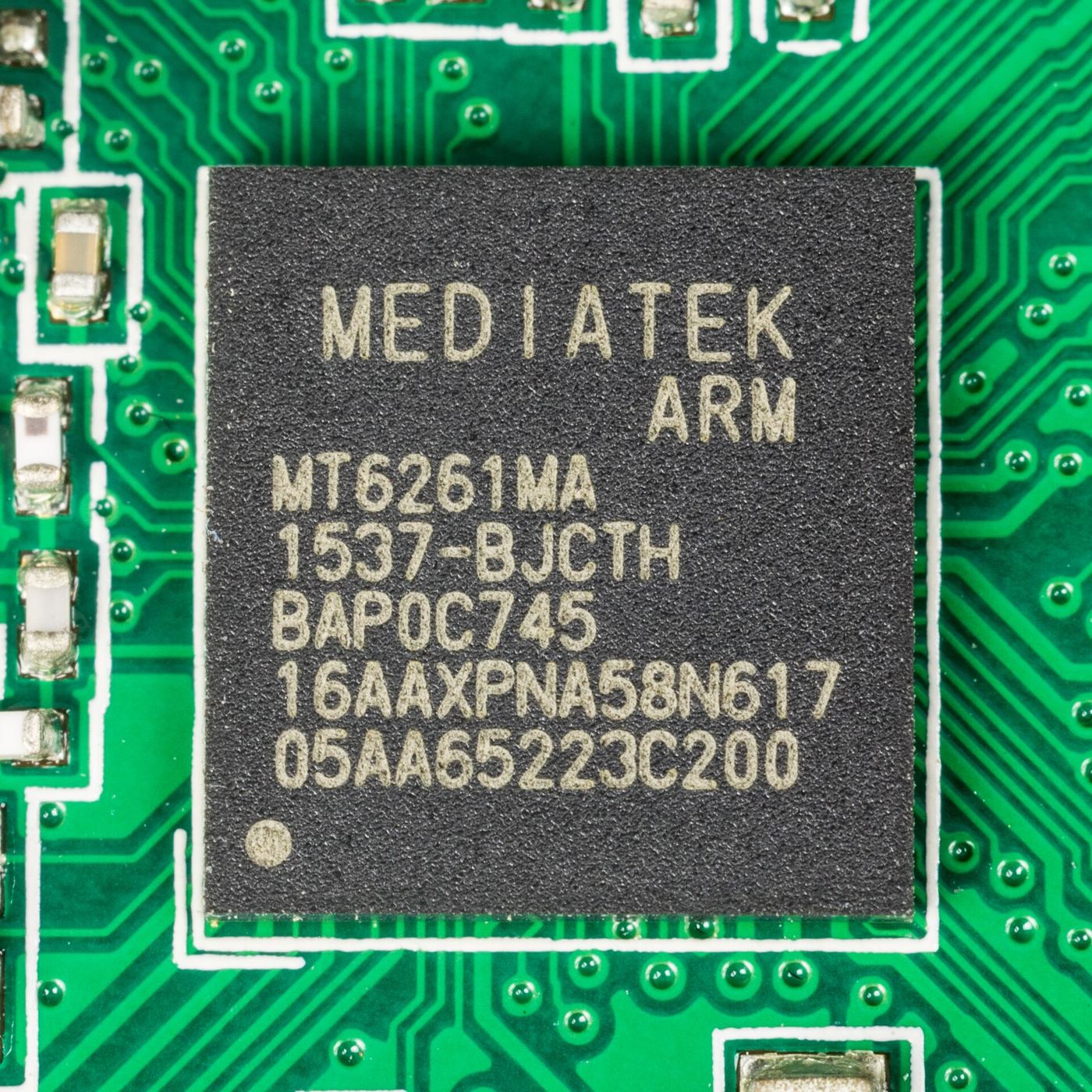
Artificial intelligence is quietly moving from distant data centres onto the phone in your pocket, as smaller models learn to handle everyday tasks entirely on the device. Summarising messages, transcribing voice notes, translating phrases and tidying photographs can now happen without sending personal content to a remote server. The shift is driven by more efficient model designs and by dedicated neural processors that ship inside modern phone chips. Running locally brings clear advantages: results arrive instantly, features work in airplane mode or areas with poor signal, and private material never leaves the handset. It also reduces the energy and cost of operating giant server farms for simple, frequent requests. Developers are learning to split tasks intelligently, letting the phone handle routine work and reserving cloud systems for genuinely demanding jobs. The trade-offs are real, because handset models are smaller, sometimes less capable and constrained by battery and heat. Even so, manufacturers now compete on the quality of these local features. For users, the change is mostly invisible, except in privacy settings that increasingly promise processing stays exactly where the data was created.
What the Evidence Shows
The on-device AI shift is changing how software teams design and test their products. Models must be compressed, often dramatically, without losing the abilities users notice, a discipline that has produced clever techniques for trimming redundant parameters. Chips differ widely between manufacturers, so developers target a patchwork of accelerators while guaranteeing a usable fallback on older phones. Security researchers welcome local processing but warn that models on devices can still be probed, copied or manipulated, and that updates must reach handsets promptly when flaws appear. Regulators are paying attention too, since processing data locally can simplify compliance with privacy law, provided companies describe honestly what still goes to the cloud. Battery life remains the everyday test: a clever feature that drains a phone by lunchtime will be switched off and forgotten. Early evidence suggests users value the combination of speed and discretion, especially for health, finance and messaging tasks. As models shrink further and chips grow stronger, the boundary between phone and server will keep moving, with the most personal computing increasingly done in the palm of the hand. Reporting and analysis from sources such as Wired track the same developments, and specialists following the on-device AI shift say the direction is now consistent across independent lines of evidence.
The Wider Context
The wider context is an industry learning to ship capability and restraint together. Products built around the on-device AI shift now launch with safety evaluations, usage data and rollback plans as standard, because enterprise buyers and regulators ask for them in the first meeting. Companies that treated those questions as friction are discovering they have become the purchase criteria.
What Happens Next
What happens next for the on-device AI shift depends less on another breakthrough than on the unglamorous work of reliability, pricing and support. The buyers evaluating it now are not enthusiasts; they are operators with budgets and auditors, and their checklists will decide the timeline. On the evidence of the current pilots, the technology has earned the right to be judged by them. You can follow related developments in our coverage of technology.
None of this will be settled by a single announcement, study or product launch. The pattern to watch is accumulation: independent confirmations, honest reporting of failures and steady improvement in the underlying numbers. Readers who follow those signals, rather than the loudest claim of the week, will understand this subject better than most of the commentary surrounding it suggests is possible.