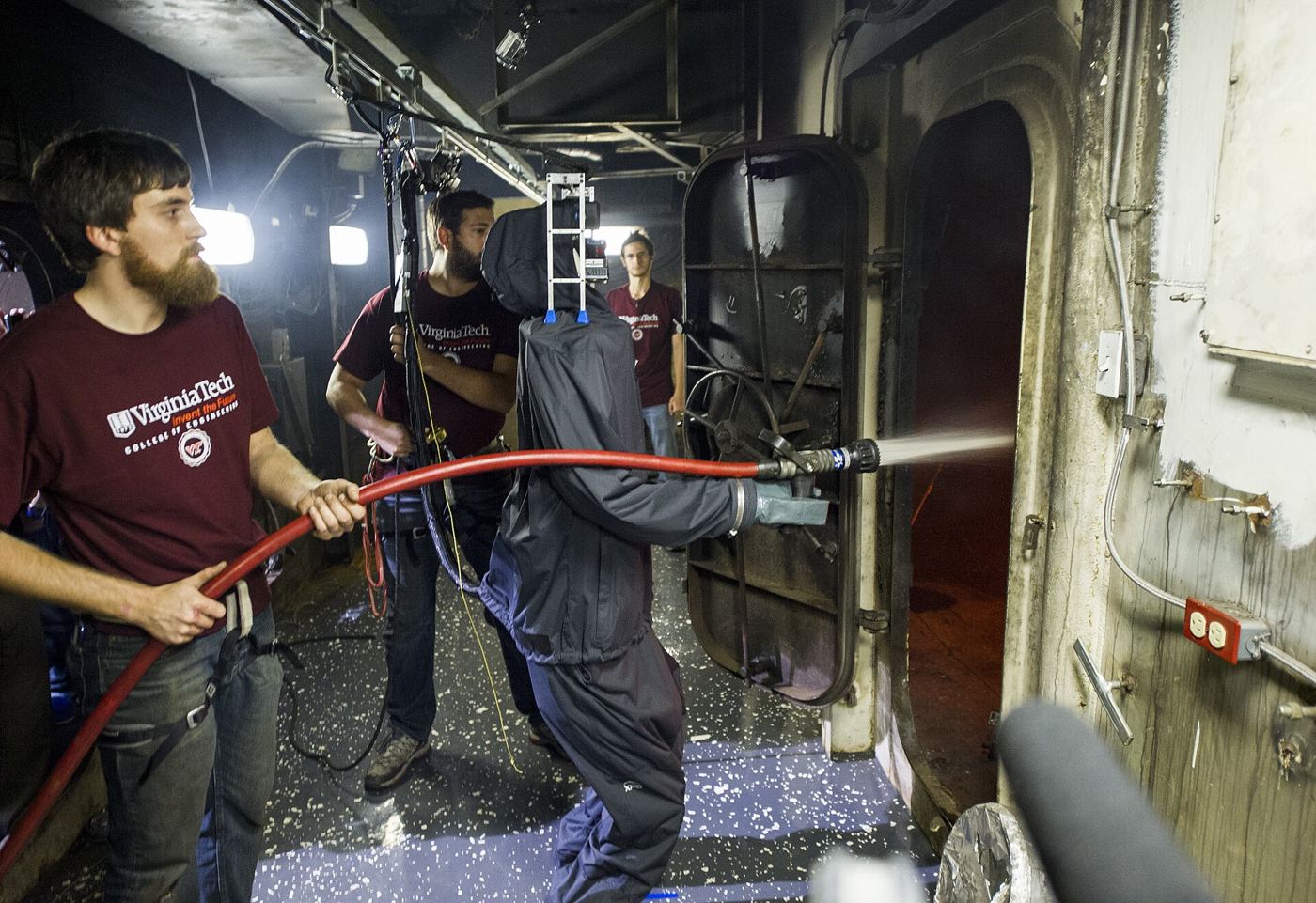
Before a humanoid robot can be trusted to work beside people, it has to demonstrate that it can stumble without falling, recover from a push and set down awkward loads without drama. Safety laboratories have become the proving grounds for those skills, running bipedal machines through standardised trials on slippery panels, ramps, loose surfaces and obstacle courses. Engineers measure how quickly a robot senses a disturbance, how it shifts its weight, and whether it protects itself and its surroundings when a fall is unavoidable. The tests are deliberately repetitive, because a balance trick performed once for a demonstration proves far less than the same recovery performed a hundred times with consistent results. Modern humanoids combine joint torque sensing, vision and rapid control loops to adjust each step, and laboratory data show where those systems still hesitate. Every failure is recorded from multiple angles, giving designers the evidence needed to strengthen ankles, revise software or rethink how the machine carries its batteries and computing hardware.
What the Evidence Shows
Standardised testing matters commercially as well as technically, because workplaces considering humanoid robots need comparable safety evidence rather than promotional videos. Insurers, regulators and factory managers all ask the same question: what happens on the machine’s worst day, not its best? Laboratories are therefore developing shared benchmarks, much as crash tests did for cars, so results from different manufacturers can be judged side by side. There is also growing attention to how robots behave around people during a fault, including how loudly they warn, how predictably they stop and how easily a worker can intervene. Researchers stress that today’s humanoids remain limited, with short battery life and narrow skill sets compared with the specialised machines already common in industry. Careful laboratory testing helps separate genuine progress from spectacle. If the technology does mature into warehouses, hospitals and care settings, its credibility will rest heavily on this unglamorous work of pushing robots over, measuring the outcome and publishing what happened. Reporting and analysis from sources such as Wired track the same developments, and specialists following humanoid robots practising balance in test laboratories say the direction is now consistent across independent lines of evidence.
The Wider Context
The wider context is an industry learning to ship capability and restraint together. Products built around humanoid robots practising balance in test laboratories now launch with safety evaluations, usage data and rollback plans as standard, because enterprise buyers and regulators ask for them in the first meeting. Companies that treated those questions as friction are discovering they have become the purchase criteria.
What Happens Next
What happens next for humanoid robots practising balance in test laboratories depends less on another breakthrough than on the unglamorous work of reliability, pricing and support. The buyers evaluating it now are not enthusiasts; they are operators with budgets and auditors, and their checklists will decide the timeline. On the evidence of the current pilots, the technology has earned the right to be judged by them. You can follow related developments in our coverage of technology.
None of this will be settled by a single announcement, study or product launch. The pattern to watch is accumulation: independent confirmations, honest reporting of failures and steady improvement in the underlying numbers. Readers who follow those signals, rather than the loudest claim of the week, will understand this subject better than most of the commentary surrounding it suggests is possible.